
Rising Colorectal cancer Rates a ‘Wake Up Call’ for New Zealand Gastroenterologists
Rising Colorectal cancer Rates a ‘Wake Up Call’ for New Zealand Gastroenterologists
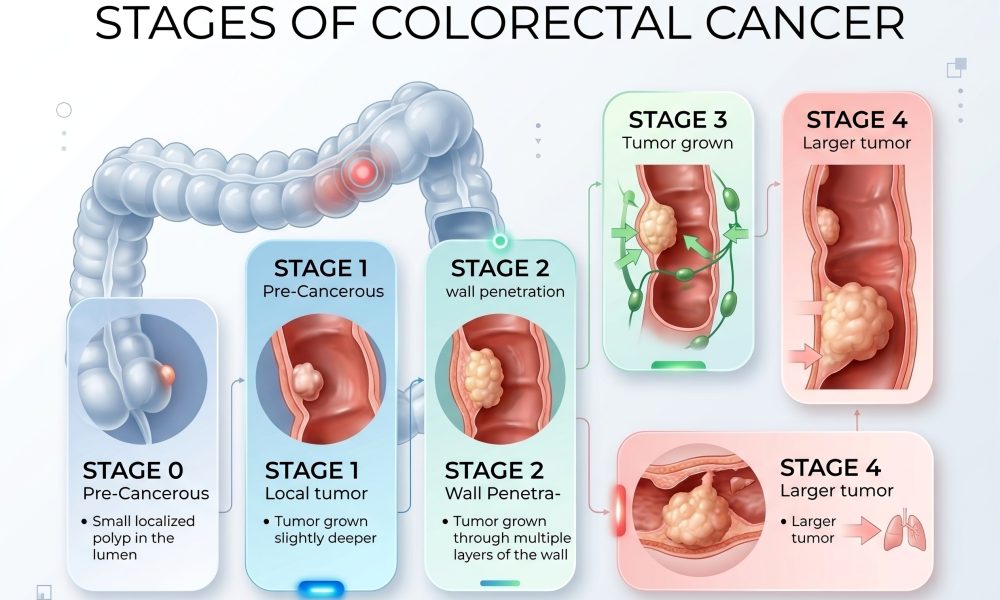
New Zealand data shows colorectal cancer is now a leading cause of cancer death in adults under 50. We have the tools to catch it early and prevent it, so why are we losing ground?
Colorectal cancer (CRC) remains one of New Zealand’s most significant cancer challenges. It is the second-leading cause of cancer death overall in this country, and alarmingly, it is now a leading cause of cancer death in adults under the age of 50. That fact alone should get the attention of every gastroenterologist, GP, and healthcare provider in Aotearoa. We have the tools to catch colorectal cancer early, and we have the tools to prevent it through screening and polyp removal. So why are we still seeing younger patients present with advanced disease?
The Data We Cannot Ignore
Recent international research, including the 2026 Siegel report published in CA: A Cancer Journal for Clinicians, serves as a critical wake-up call for the medical community. While this data is from the United States, the trends are mirrored in New Zealand. An estimated 158,850 Americans will be diagnosed with colorectal cancer this year. Over 55,000 will die from it, and nearly one in three of those deaths will be in someone under the age of 65.
In New Zealand, approximately 3,000 people are diagnosed with colorectal cancer each year, and it causes around 1,200 deaths annually. While incidence is declining in adults aged 65 and older—thanks to screening programmes like the National Bowel Screening Programme—rates are rising in younger adults. Studies suggest an annual increase of 2-3% in CRC diagnoses among New Zealanders aged 20 to 49. That is not a blip. That is a trend that has been building since the mid-1990s.
The Changing Face of Colorectal Cancer
The typical patient with colon cancer has changed. It is no longer just the 65-year-old man you are preparing for a routine screening colonoscopy. It could be the 38-year-old mother of two with rectal bleeding who has been told it is probably haemorrhoids. It could be the 42-year-old construction worker with changing bowel habits dismissed as irritable bowel syndrome.
Back in 1995, approximately 27% of new colorectal cancer diagnoses were in people under 65. Today, that percentage is approaching 45% in Western countries, including New Zealand. Specifically concerning is the rise in rectal cancer rates. After decades of decline, rectal cancer is increasing again, now accounting for nearly one-third of all colorectal cancers. The tumours we are seeing in younger patients are clustering in the distal colon and rectum, making them potentially more accessible to early detection through flexible sigmoidoscopy or colonoscopy.
What Is Driving This Trend?
More than half of all colorectal cancers are linked to modifiable risk factors. These include:
-
Diet: High consumption of processed meats, red meat, and low-fibre foods
-
Physical inactivity: Sedentary lifestyles are increasingly common
-
Obesity: Rising rates of overweight and obesity in younger adults
-
Alcohol consumption: New Zealand has concerning rates of harmful drinking
-
Smoking: Despite declines, smoking remains a significant risk factor
These factors mean that our conversations in clinic matter—every single one. As gastroenterologists and GPs, we sit in a uniquely powerful position to influence patient behaviour and catch disease early.
What Can We Do in New Zealand?
1. Lower the Screening Age Threshold
New Zealand’s National Bowel Screening Programme currently targets individuals aged 60 to 74. While this is valuable for older adults, it completely misses the rising-risk population under 50. There is a growing international consensus, including guidance from the US Preventive Services Task Force, to begin screening at age 45 for average-risk individuals. New Zealand must have a serious conversation about lowering our screening age.
2. Take Symptoms Seriously at Any Age
The data are clear: earlier diagnosis saves lives. We must educate our patients about warning symptoms, including:
-
Rectal bleeding (even small amounts)
-
Persistent changes in bowel habits (diarrhoea, constipation, or both)
-
Unexplained weight loss
-
Abdominal pain or bloating
-
Unexplained fatigue or iron deficiency anaemia
Crucially, we cannot let age be a reason to delay investigation. A 32-year-old with persistent rectal bleeding deserves a conversation about colonoscopy. Full stop.
3. Address Unique Needs of Younger Patients
When a 35-year-old receives a colorectal cancer diagnosis, the conversation is fundamentally different. In addition to standard oncological discussions, we must address:
-
Fertility preservation
-
Sexual health
-
Career implications
-
Young children at home and family planning
-
Financial and psychological support
These are real-life concerns, and we must be equipped to address them. Younger patients have unique needs that require a different kind of attention from their care team, and that starts with us.
4. Advocate for Research and Awareness
New Zealand needs more research into why CRC rates are rising in our younger population. We need public awareness campaigns that specifically target younger adults, who may not realise they are at risk. We need better funding for diagnostic services to reduce wait times for colonoscopy.
A Call to Action for New Zealand Clinicians
Colorectal cancer is the second-leading cause of cancer death in New Zealand overall, and it is now a leading cause in adults under 50. These two facts together should define how we practice.
Screen earlier. Consider risk assessment and colonoscopy for younger patients with symptoms or strong family history, even if they fall outside the national screening age.
Take symptoms seriously at any age. Do not dismiss rectal bleeding or persistent bowel changes as haemorrhoids or IBS without appropriate investigation.
Address modifiable risk factors in every visit. Every conversation about diet, exercise, alcohol, and smoking is an opportunity for cancer prevention.
Advocate loudly for your younger patients. They may not advocate for themselves. They may not know they are at risk. The data show they need us now more than ever.
The Bottom Line for New Zealand
Colorectal cancer does not wait. Neither should we. The rising rates in younger New Zealanders are a clear wake-up call. We have the tools to prevent this disease—through lifestyle advice, symptom awareness, and timely colonoscopy. What we need now is the collective will to use them earlier and more effectively.
Every gastroenterologist, every GP, every healthcare provider has a role to play. Let us not look back in another decade and wish we had acted sooner.
If you are a younger adult experiencing persistent digestive symptoms, do not ignore them. Speak to your GP. Ask about colonoscopy if your symptoms persist. Early detection saves lives.
📞 Need a gastroenterology consultation? Contact Gastro Doctor at 021 023 26302
This article is adapted for a New Zealand audience from recent colorectal cancer data and trends. The original commentary was provided by a US-based gastroenterologist. Local statistics are sourced from the Ministry of Health and Bowel Cancer New Zealand.
Source – https://www.medscape.com/viewarticle/rising-crc-rates-wake-call-gastroenterologists-2026a1000f47
