
5 Signs You Might Need a Liver Elastography Test (Shear Wave Elastography)
5 Signs You Might Need a Liver Elastography Test (Shear Wave Elastography)

Your liver is your body’s silent workhorse—filtering toxins, aiding digestion, storing energy, and performing over 500 vital functions, often without a single complaint until significant damage occurs. This is why liver disease is sometimes called a “silent epidemic.”
Fortunately, modern medicine offers a powerful window into your liver’s health without a single needle: Liver Elastography, commonly known as a Shear Wave Elastography. This painless, non-invasive test measures liver stiffness to detect fibrosis (scarring) early.
But how do you know if you should ask about this test? Here are 5 key signs and risk factors that suggest you might benefit from a Shear Wave Elastography assessment.
1. You Have Unexplained, Persistent Fatigue or Malaise
This is one of the most common—and most overlooked—signs. We all get tired, but liver-related fatigue is different.
- What to watch for: A deep, unshakable exhaustion that isn’t relieved by sleep. You may feel generally unwell, foggy, or lack the energy for daily activities you once managed easily.
- Why it happens: A struggling liver has to work harder to perform its functions, consuming more of your body’s energy. Inflammation and the buildup of toxins in the bloodstream can also directly cause profound tiredness.
- The Shear Wave Elastography connection: Chronic fatigue can be a sign of ongoing liver inflammation leading to fibrosis. A Shear Wave Elastography can help determine if liver stiffness (scarring) is the underlying culprit.
2. You Have a Known Fatty Liver Diagnosis or Major Risk Factors
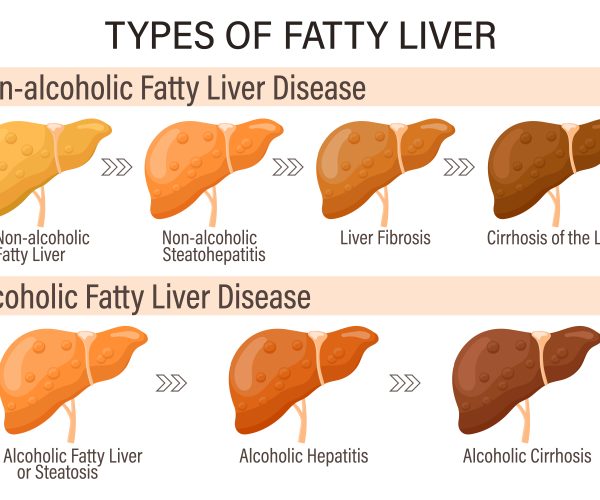
Non-Alcoholic Fatty Liver Disease (NAFLD) affects an estimated 1 in 3 New Zealand adults. Often discovered incidentally on an ultrasound, it’s a major driver for needing elastography.
- Key Risk Factors:
- Obesity or being overweight (especially excess abdominal fat)
- Type 2 Diabetes or Insulin Resistance
- High Cholesterol or Triglycerides
- Metabolic Syndrome
- Why it matters: NAFLD can progress from simple fat in the liver (steatosis) to inflammation (NASH) and then to fibrosis. A Shear Wave Elastography is the best non-invasive tool to stage this fibrosis and see if you have early scarring, guiding how aggressively you need to manage your condition.
3. Your Blood Tests Show Consistently Abnormal Liver Enzymes
This is a classic red flag that your doctor likely monitors. The common tests are ALT (Alanine Transaminase) and AST (Aspartate Transaminase).
- The scenario: Your GP runs a routine blood test and finds your ALT/AST levels are elevated. You may cut back on alcohol or adjust medications, but the levels remain stubbornly high or fluctuate.
- The limitation: Blood tests show inflammation or liver cell damage, but they cannot measure scarring (fibrosis). You can have significant fibrosis with normal or near-normal liver enzymes.
- The Shear Wave Elastography solution: This is where elastography shines. It directly answers the critical question: “Has this ongoing inflammation led to permanent scarring?” It provides a crucial piece of the diagnostic puzzle that blood tests alone cannot.
4. You Have a History of Liver Disease or Viral Hepatitis
If you have a known history of liver conditions, regular monitoring is essential, and Shear Wave Elastography has revolutionized this process.
- Conditions include:
- Chronic Hepatitis B or C (even if treated)
- Autoimmune Hepatitis
- Alcoholic Liver Disease (past or present)
- Genetic liver conditions (e.g., Hemochromatosis)
-
Why monitoring is key: These conditions carry a risk of progressive fibrosis over years. In the past, monitoring meant considering repeated liver biopsies. Now, Shear Wave Elastography provides a safe, painless way to check for fibrosis progression or regression annually or as needed, making long-term management much easier and safer.
5. You Are Planning a Major Health Step (Like Immigration or Bariatric Surgery)
Sometimes, the need for a Shear Wave Elastography is proactive and procedural, but no less important.
- For NZ Immigration: As detailed in our [previous blog](link to immigration blog), Immigration New Zealand specifically requires liver fibrosis staging for applicants with certain risk factors or abnormal tests. A Shear Wave Elastography is the standard, non-invasive way to meet this requirement with a formal report.
- Before Bariatric (Weight Loss) Surgery: A healthy liver is crucial for safe surgery. Surgeons need to know if significant fibrosis or cirrhosis is present, as it can increase surgical risk and change the operative plan. Shear Wave Elastography is an excellent pre-operative screening tool.
- Before Starting Certain Medications: Some powerful medications (for conditions like rheumatoid arthritis or certain cancers) can have liver side effects. A baseline Shear Wave Elastography can be used to ensure your liver is healthy enough to start treatment and to monitor it safely thereafter.
What to Do if You Recognise These Signs
1. Don’t Panic: Recognising a sign is the first step toward proactive health.
2. Talk to Your GP: Discuss your symptoms or risk factors. They can assess whether a referral for specialist assessment or a Shear Wave Elastography is appropriate.
3. Consider a Specialist Evaluation: At Gastro Doctor, we provide direct access to Shear Wave Elastography testing. In many cases, you can book directly without a long specialist wait.
A Shear Wave Elastography is a 10-15 minute, painless procedure that provides immediate, quantitative data about your liver’s health. It’s about gaining clarity, not fear.
The Bottom Line
You don’t need to have yellow eyes (jaundice) or severe symptoms to have developing liver fibrosis. The signs are often subtle. If you see yourself in any of these five points—whether it’s persistent fatigue, a fatty liver diagnosis, puzzling blood tests, a history of liver condition, or an upcoming immigration medical—a Liver Elastography (Shear Wave Elastography) test could be a crucial step in protecting your long-term health.
It empowers you and your doctor with information, moving from guesswork to a clear, measurable understanding of your liver’s true condition.
Concerned about your liver health?
You don’t have to wonder. Contact Gastro Doctor to discuss whether a Shear Wave Elastography is right for you.
Take charge of your silent workhorse. Get the answers you need.
Disclaimer: This blog is for informational purposes only and does not replace professional medical advice. Always consult with your GP or a specialist like Dr. Dinesh Lal for personal health concerns and diagnoses.

Managing Fatty Liver Disease with Shear.
Fatty liver disease has quietly become one of the most common chronic liver conditions worldwide, affecting an estimated 1 in 3.
Read More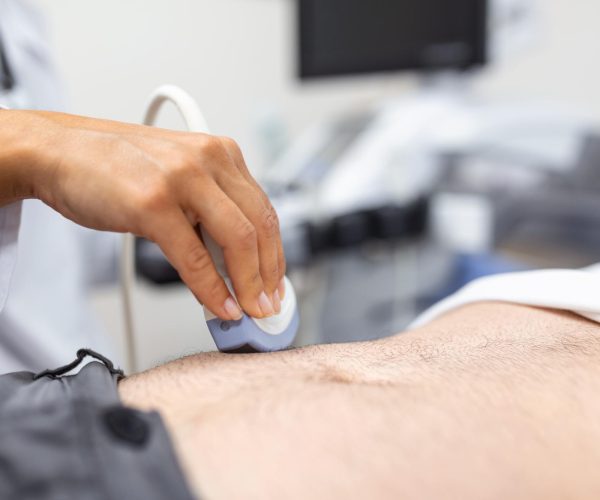
Shear Wave Elastography: The Pain-Free Alternative.
For decades, if your doctor needed to assess the health of your liver—particularly to measure fibrosis, or scarring—there was only.
Read More